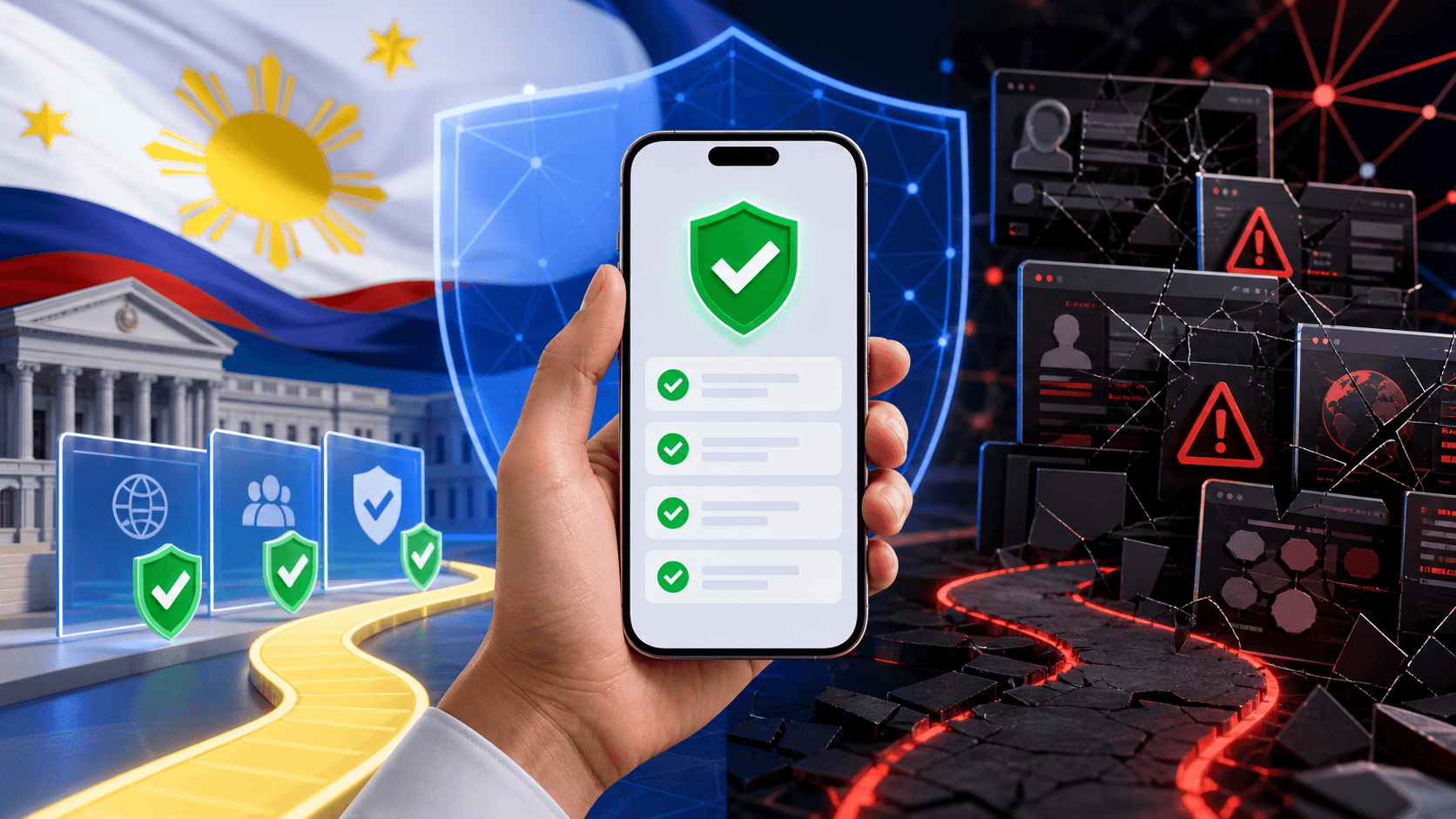
A new PAGCOR mobile application is intended to make one of the Philippine online gaming market’s hardest questions easier: is the platform on a player’s screen actually licensed?
The Philippine Amusement and Gaming Corporation announced on August 25 that it plans to launch the app before the end of 2026. PAGCOR Chairman and CEO Alejandro H. Tengco described two objectives during a House budget hearing: curb illegal online gambling and protect players by directing them toward licensed, regulated operators.
PAGCOR also said that around half of the online gaming sites accessed in the Philippines are illegal. That estimate explains why a simple verification tool could matter. A polished website, a familiar payment option or an active social-media account does not prove that an operator is authorized.
What the planned app is supposed to do
Based on PAGCOR’s announcement, the app is intended to help users identify platforms that operate within the regulated Philippine market. Licensed operators are subject to regulatory requirements and offer a formal process for resolving disputes. Illegal sites may provide neither.
The regulator has not yet published a complete feature list, launch date, supported-device list or final user interface. Players should therefore treat the announcement as a confirmed plan, not as a finished product already available for download.
The practical value will depend on how quickly the database is updated, how clearly similarly named sites are distinguished, and whether the app can warn users about copied logos, impersonation domains and changing web addresses.
Why verification is harder than it looks
Illegal operators can imitate the appearance of legitimate platforms. They may use near-identical names, copied graphics, social advertisements, private messaging groups or payment instructions that move users away from the original website.
A license claim displayed by the operator itself is not independent proof. Verification should come from the regulator’s own record.
Until the official app is released, a cautious user should check the operator through PAGCOR’s official channels, confirm the exact website address, and avoid downloading software from links received through unsolicited messages.
What a license can—and cannot—tell you
A valid license means an operator is within a regulatory framework. It can provide a complaint route, operating requirements and a clearer accountable entity. Those protections are important, but they do not turn gambling into a safe investment.
A licensed game still has financial risk. Game design, house advantage, tournament fees and player skill all affect outcomes. Verification protects users from one category of harm—unregulated or impersonated operators—but it cannot prevent overspending or guarantee withdrawals will always be instant.
Warning signs before the app arrives
- The website address is slightly different from the operator’s official domain.
- Customer support moves the conversation to a private account and asks for payment there.
- The site advertises guaranteed profit, risk-free play or recovery of previous losses.
- Deposit instructions use frequently changing personal accounts.
- The operator cannot be found through PAGCOR’s own published information.
- A download link arrives through an unsolicited text, direct message or group chat.
- The user is pressured to deposit immediately before a “bonus” expires.
A single warning sign does not prove a crime, but several together justify stopping and verifying before sending money or identification documents.
What players should do when there is a problem
Preserve screenshots, transaction references, the exact website address, dates and the full support conversation. Do not continue depositing money to “unlock” a withdrawal. Contact the payment provider promptly if a transaction appears unauthorized, and use official regulator or law-enforcement channels rather than recovery agents who demand another fee.
If the platform is licensed, use its formal complaint process and the regulator’s published contact route. If it is not licensed or cannot be verified, avoid further engagement and do not install additional software requested by the site.
DIP’s view
A regulator-owned verification app is a useful idea because it reduces the distance between a player and the authoritative record. The strongest version would do more than show a list: it would verify exact domains, flag known impersonation sites, explain complaint steps in plain language and make updates visible.
DIP will judge the released product on those practical details. Until then, players should not rely on branding, influencer promotion or a screenshot of a license. Start with the regulator’s own information, check the exact address, and keep gambling limits separate from trust in the operator.
Information verified: August 29, 2026. The launch plan, intended timing and estimate concerning illegal sites were checked against PAGCOR’s official August 25, 2026 announcement. Product features may change before release.
Responsible play notice: Gambling involves financial risk. Use only money you can afford to lose, set time and spending limits, and seek help if gambling stops feeling controlled.